Applying to Subway feels simple on paper. The tricky part is that no two locations run the same way, and that catches a lot of first-time applicants off guard.
If this is your first job or you are re-entering the workforce, the process moves faster than you might expect. You can go from application to first shift in under a week.
The thing that changes everything: Subway runs on a franchise model. That means the person deciding your fate is a local business owner, not a corporate recruiter.
Subway Does Not Have One Hiring Process. It Has Hundreds.
Job guides tend to treat Subway like a single employer with one system and one decision-maker. That framing is wrong in a way that costs applicants real opportunities.
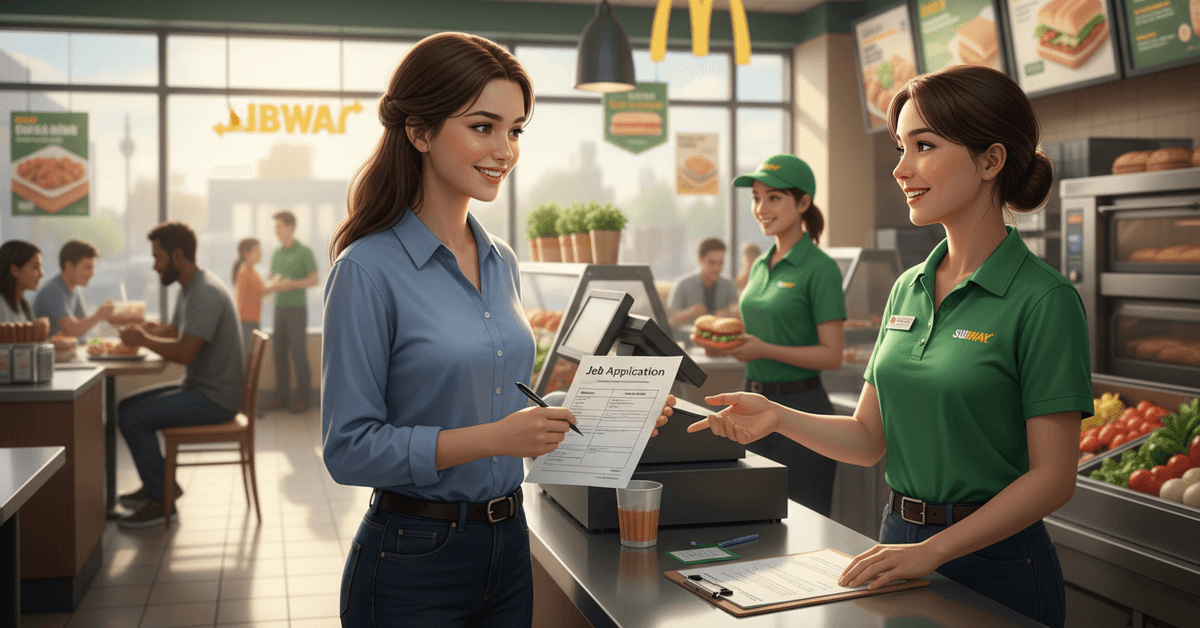
Each location is owned and operated independently. The manager you meet face-to-face has full authority over who gets hired, when interviews happen, and how fast things move.
Subway’s official careers portal at mysubwaycareer.com is the right place to start. The online form collects your contact information, available hours, preferred store locations, and basic work history. It takes about fifteen minutes.
A detail worth knowing: you can apply to multiple stores in one submission. If you are flexible on location, apply to three or four nearby spots at once. One of them will move faster than the others, and a callback from any one of them is all you need.
Walking In Still Works, and I Will Argue for It
I genuinely disagree with the advice that in-person applications are outdated for fast-food jobs.
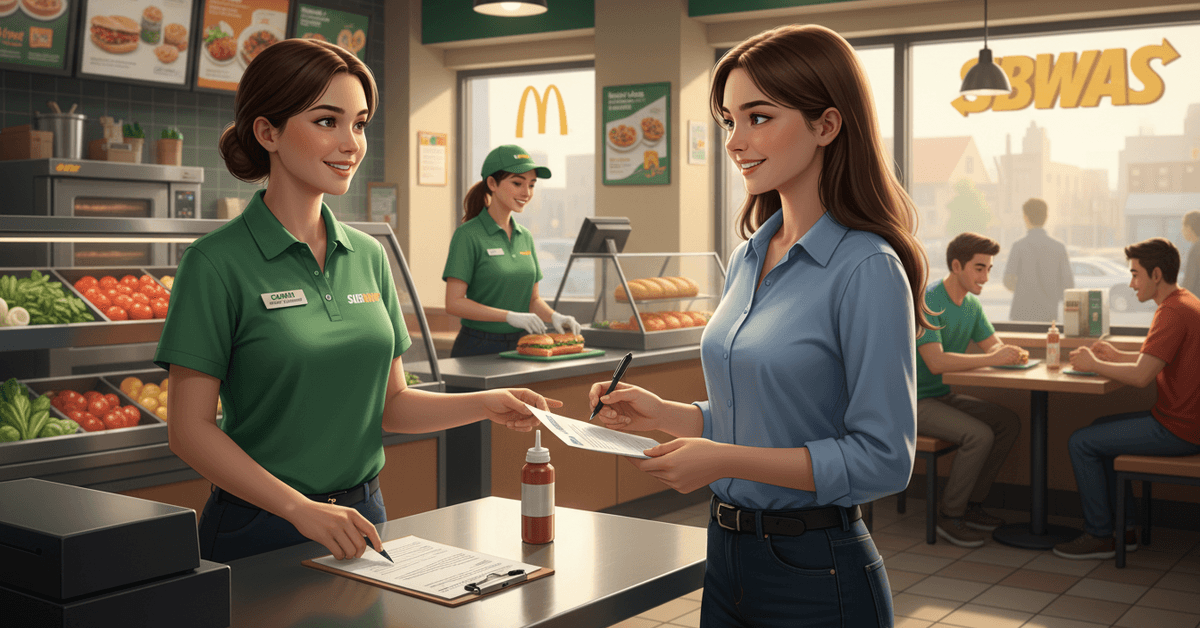
At a franchise location where the owner is often physically present, walking in during a slow hour signals something a digital form cannot: that you can actually show up.
The optimal window is 10 a.m. to 11 a.m. on a weekday, before the lunch rush hits. Ask calmly for the manager. Hand over a simple one-page summary of your availability. That thirty-second interaction does more than most submitted applications.
What Subway Is Actually Looking For
The baseline requirements are short:
- Age 16 or older (some locations require 18, depending on local labor laws)
- Legal right to work in your country or region
- Basic communication in the store’s primary language
- Willingness to learn food safety and hygiene on the job
No prior experience is required. Subway locations regularly hire people with zero food service background and train them from scratch. Customer service experience from school clubs, retail, or volunteering counts more than people expect.
The Interview Is Brief, and That Cuts Both Ways
Subway interviews are usually informal and short. A store manager running two registers and managing a sandwich line does not have forty-five minutes for small talk.
They want fast answers to three questions: Are you reliable? Can you talk to customers without shutting down? Will you show up?
Preparing specifically for those three questions beats memorizing Subway trivia by a wide margin.
Common interview questions include:
- “Why do you want to work here?”
- “How would you handle a rude customer?”
- “What days and hours are you available?”
- “Have you had any food safety training?”
The food safety question comes up more than people expect. Even a passing familiarity with basic hygiene rules, such as handwashing protocols, glove use, and temperature storage, shows you did some homework before walking in.
Some Locations Will Ask for a Trial Shift
Busier stores sometimes request a short trial shift before or shortly after an offer. It is not a trick. The manager is watching to see if you can handle the pace under real conditions. Treat it exactly like the job, because in their eyes, it is.
And yes, a trial shift should be paid. Under labor law in most regions, hours worked are hours owed. If a manager suggests otherwise, check with your local labor authority.
What the Job Actually Looks Like After You Start
A Subway shift covers four main areas: sandwich prep, customer orders, cash handling, and cleaning. The mix shifts depending on the time of day.
Morning shifts lean heavily on prep and setup. Lunch shifts are customer-facing chaos for roughly ninety minutes straight, then things level out. Closing shifts involve a significant amount of cleaning.
The lunchtime rush is genuinely stressful at first. I would not soften that. Lines build fast, orders get complicated, and customers get impatient. After a few weeks, the rhythm becomes automatic. Getting to that automatic stage is the real challenge of the job, and no one in the interview will frame it that way.
Where the Pay and Perks Land
Starting pay is typically at or near your local minimum wage. Some stores offer bumps for night shifts or for completing required training. Staff discounts or free meals during shifts are common perks, though these vary by franchise owner.
Paid time off and health insurance exist at some franchise groups for long-term employees. This is not universal, so it is worth asking directly before accepting an offer if those benefits matter to your situation.
Can This Job Actually Go Somewhere?
Entry-level sandwich artist roles are mostly part-time and hourly. The path upward is real, though. Shift leader and assistant manager roles open up after a few months for people who show up consistently and handle responsibility without being asked twice.
According to the Bureau of Labor Statistics, food service is one of the sectors where internal promotion from entry-level happens most reliably, partly because turnover creates openings on a rolling basis.
Training in food safety, customer service, and basic operations is standard. The skills transfer more broadly than people give them credit for.
How Subway Compares to Similar Entry-Level Options
| Chain | Starting Pay | Schedule Flexibility | Advancement Speed |
|---|---|---|---|
| Subway | Local minimum | High | Moderate |
| McDonald’s | Local minimum | Moderate | Structured |
| Burger King | Local minimum | Moderate | Available |
The standout difference for Subway is schedule flexibility. The same franchise model that complicates the hiring process works in your favor once you are employed.
A local owner often has more room to work around student schedules or split shifts than a corporate-managed chain does.
Paperwork, Legal Details, and What Happens After the Offer
Once you receive an offer, onboarding is mostly administrative. New hires complete tax forms, emergency contact information, and any required food safety certification paperwork.
Applicants under 18 may need a work permit or parental consent form before the first shift, depending on local labor laws. Subway locations follow labor regulations on break times and overtime.
If a manager asks you to skip a break or work off the clock, that is a workplace rights violation, not a normal part of the job. Keep your pay stubs. Local labor agencies exist specifically for situations where something feels wrong.
Questions People Ask About Getting a Job at Subway
Q: How long does it take to hear back after applying online? Response times vary by location. Many applicants report hearing back within three to seven days. Applying to multiple nearby stores is the fastest path to a callback, since you are not waiting on one location’s timeline.
Q: Do I need a resume to apply at Subway? A formal resume is not required. The online application collects the same basic information. If you apply in person, a one-page summary of your availability and any past experience can help, but it is optional, not expected.
Q: Can I choose my own hours at Subway? Subway is one of the more flexible fast-food chains for scheduling, especially at franchise-owned locations. That said, flexibility depends on the specific store’s needs. Shops near schools or offices may need coverage during hours that do not match your preference, so ask about shift structures before accepting an offer.
Q: What happens if I have no work experience at all? A clear attitude and specific availability matter more to Subway managers than a work history. Being concrete about when you can work and showing you understand basic customer interaction is enough to get a fair shot at most locations.
Q: Is the trial shift paid? It should be. A trial shift is still work under labor law in most regions, and you are entitled to pay for hours worked. If a manager suggests otherwise, contact your local labor authority before proceeding.
Conclusion
Landing a Subway job moves faster when you treat the franchise model as the asset it is, not the obstacle it appears to be.
A solid online application paired with a confident in-person visit covers most of what the process rewards.
The job itself has a real learning curve at peak hours, but the ceiling on growth is there for people who stick with it. Go in knowing what the day-to-day actually looks like, and you will be ahead of most applicants before the interview even starts.